Istanbul combines a strong national medical-education system, a large pool of board-certified surgeons, modern JCI-accredited hospitals, and lower operational costs than Western Europe or North America. The result, for international patients, is access to comparable surgical quality at a fraction of the home-country price. The risk is the marketing layer that has grown around it — assertively-promoted clinics that don't necessarily reflect the underlying medical depth. The protection is to filter on board credentials and hospital accreditation, not on advertising.
Why Türkiye is now the destination
Three structural facts have made Türkiye the largest plastic-surgery medical-tourism destination in the world:
- Medical education volume. Türkiye has 99 medical schools producing approximately 14,000 graduates per year, several of which (Hacettepe, Istanbul University, Ankara University, Gazi) are recognised internationally. Plastic surgery training is a competitive, full-residency speciality requiring 5 years post-graduation.
- Mature private hospital sector. The major Turkish private hospital groups operate JCI-accredited facilities that are functionally equivalent to the leading hospital systems anywhere in Europe — same equipment, same protocols, same software, often the same staff who trained or worked abroad.
- Cost structure. Salaries, real-estate costs, and hospital administrative overhead are substantially lower than in Western Europe, the UK, or North America. The savings are real and are passed through to international patients — typical mommy makeover pricing in Türkiye is 30–50% of equivalent UK or US private pricing for genuinely comparable surgical quality.
Why Istanbul specifically
Within Türkiye, Istanbul concentrates the highest density of plastic surgeons, the most advanced private hospitals, and the longest history of treating international patients. Other Turkish cities — Ankara, Izmir, Antalya — have good plastic surgeons, but they operate at a smaller scale.
Istanbul also sits at a geographic point that is convenient for the largest set of international patients: a 3–4 hour flight from London, Paris, Frankfurt, the Gulf states, North Africa, and most of Eastern Europe; 10–11 hours from the US East Coast. Turkish Airlines flies direct from over 100 international destinations.
Şişli/Nişantaşı: the medical district
Within Istanbul, the Şişli–Nişantaşı corridor on the European side is the established medical district. The major private hospitals are concentrated here, as are most of the city's senior board-certified plastic surgeons. The neighbourhood is also one of the safest and most convenient districts for international patients — multilingual, retail-dense, easy taxis, walking distance to dozens of cafes and pharmacies.
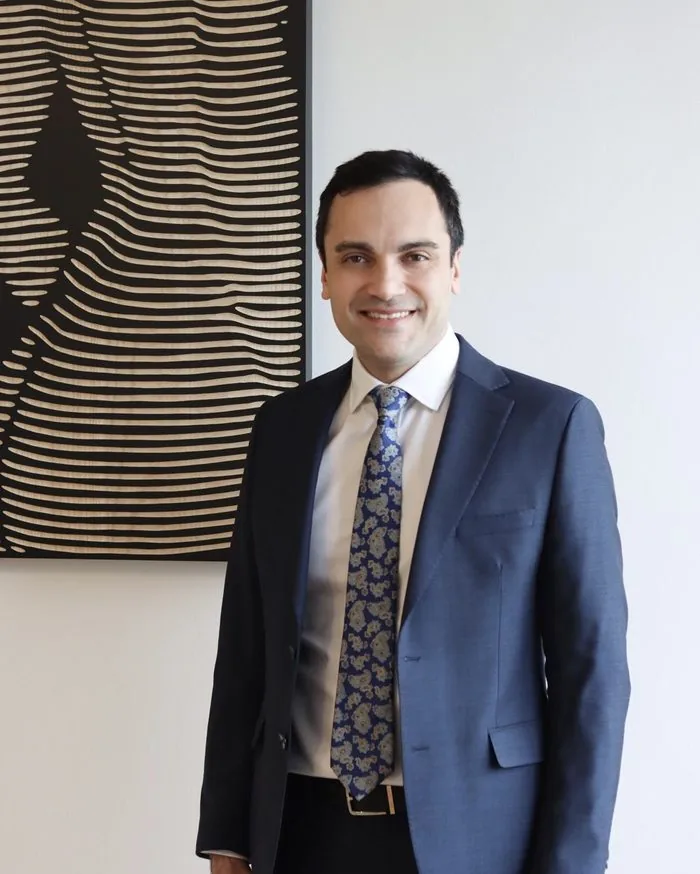
Dr. Erdal's clinic is on Teşvikiye Caddesi, the heart of Nişantaşı. International patients typically stay at one of several four-star hotels within a 10-minute walk of the clinic, with the JCI-accredited operating hospital a 5–8 minute drive away.
Practically, this means:
- The full patient pathway — consultation, hospital, recovery hotel, follow-ups — happens within a 1.5 km radius. No long transfers, no Istanbul traffic between appointments.
- The neighbourhood is genuinely walkable in early recovery (gentle walks are encouraged from day 2), with cafes, pharmacies, and a small park nearby.
- Emergency hospital access in under 10 minutes if needed.
Comparison: Istanbul vs. other destinations
| Factor | Istanbul (top tier) | UK / Western Europe | Mexico / DR / Colombia |
|---|---|---|---|
| Surgeon training | 5-year residency, double board-certification common | 5-year residency, single board (FRCS / EBOPRAS) | Variable — board certification not always present |
| Hospital infrastructure | JCI accredited; modern equipment | NHS or private group hospitals | Variable — dedicated cosmetic surgicenters common |
| Anaesthesia | Board-certified specialist (5y) | Board-certified specialist | Variable; CRNA model in some clinics |
| Price level | 30–50% of UK/US private | Highest globally | Lowest, but quality variance highest |
| Travel time (from London) | 4 hours direct flight | Domestic | 10–13 hours |
| Recovery hotel infrastructure | Mature, partner hotels | Limited | Variable |
| Marketing intensity | Very high — strong filtering needed | Moderate | Very high |
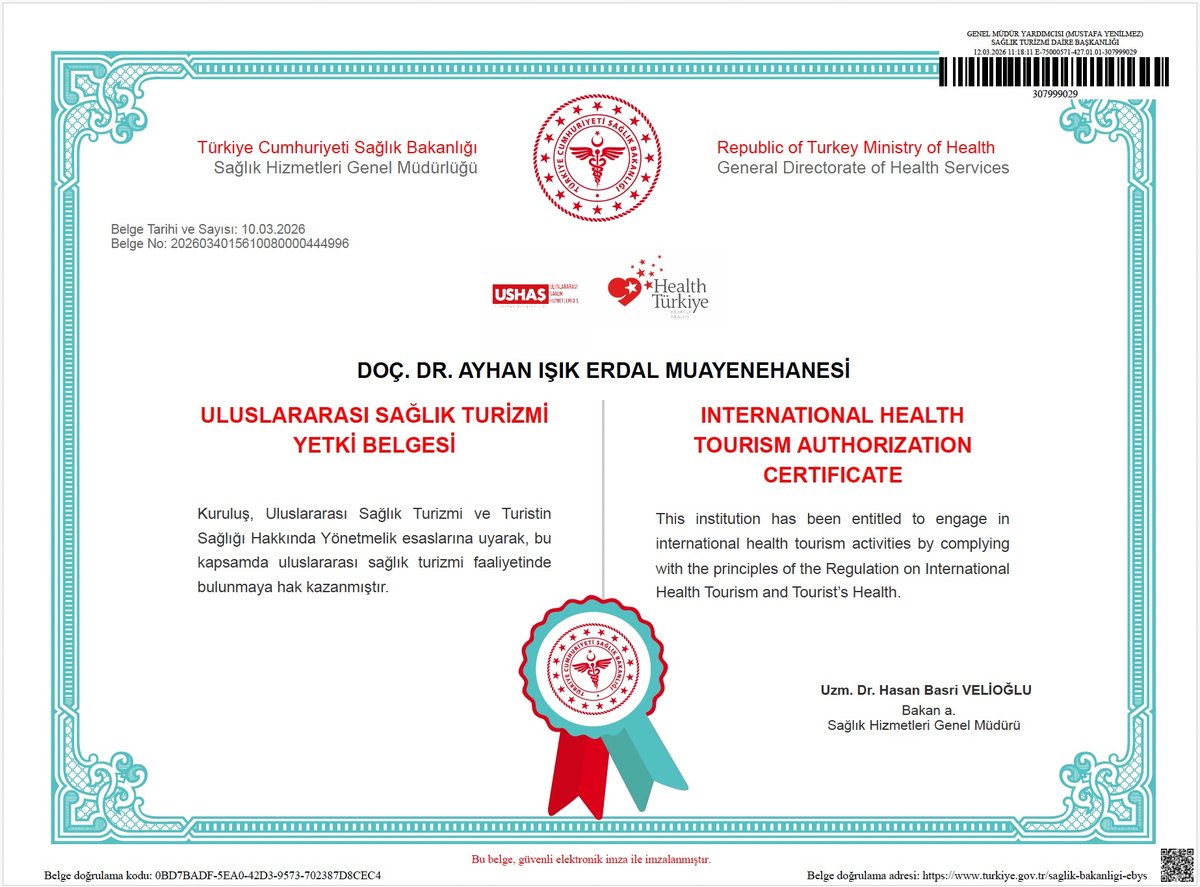
| Regulatory framework | MoH international tourism authorisation required | GMC / equivalent | Variable by country |
| Filter on | Board credentials + hospital accreditation | Board credentials | Board credentials + hospital + facility audit |
Istanbul's combination of quality and price is genuine. The protection against the marketing-led clinics is straightforward: filter on the surgeon's actual training and the hospital's actual accreditation. If both are real, you have access to surgical quality that Western European or North American patients pay 2–3 times more for.
What to watch for
All-inclusive package pricing — what's actually included?
Compare quotes line by line. Some packages include only the surgery and hospital; complications, garments, follow-up, and post-op care are extra. Others are genuinely all-inclusive. The ratio matters more than the headline number.
Who is the surgeon? Specifically — what's their full name and board?
If the booking enquiry is answered by a 'patient coordinator' and you can't get a surgeon's name and board credential before deposit, walk away. The surgeon is doing your operation; you should know who they are before you commit money.
How many cases does the surgeon personally do per year?
High-volume cosmetic surgery clinics in Türkiye sometimes have many 'surgeons' under one brand, with cases distributed by booking schedule. The surgeon you research may not be the surgeon who operates on you. Ask explicitly: 'Will Dr. X personally perform my operation?'
What's the protocol if I need to extend my stay?
Most international patients stay 7–10 days. Some need longer due to slower healing, drains not yet ready for removal, or unexpected medical findings. Confirm in advance how the clinic handles extended stays — at no additional surgical cost — for medical (not personal) reasons.
Where will I see before/after photos?
The surgeon's verifiable, dated, labelled cases — not stock images, not unrelated cases, not heavily edited Instagram reels. A clinic that can't show you 20+ verified mommy makeover cases of their own is not the volume centre they may claim to be.
Practical logistics
- Visa. Most Western countries (UK, EU, US, Canada, Australia, Gulf states) have visa-free access to Türkiye for stays up to 90 days. Some require an e-visa available online for €30–60.
- Flights. Istanbul Airport (IST) is on the European side, ~50–60 minutes from Şişli. The clinic arranges VIP transfers; airport is well-connected to Western Europe, the UK, and the Gulf.
- Hotels. Partner hotels in Nişantaşı/Şişli typically run €100–180/night for a comfortable 4-star room within walking distance. Booked separately from the surgery — gives you flexibility to extend if needed.
- Currency. Most clinics quote in EUR or USD. Local cash (Turkish lira) is needed for taxis and incidentals; ATMs and currency exchange are abundant.
- Language. All medical staff at international-tier clinics speak English. Patient coordinators speak English natively; secondary languages (Russian, Arabic, German, French) are common.
- Companion. Bringing a partner or family member is encouraged for the first week and is essential for the day of surgery. Hotels accommodate companions at no additional charge in standard rooms.
- Insurance. Standard travel insurance covers flight changes and emergencies. Surgical complication coverage is typically not included by either travel insurance or the clinic — confirm whose responsibility this is in writing.